
24/7
Available For Emergency Services
Containment Solutions for Smaller Livestock
Netting Fence Installation in Meridian for farms managing goats, sheep, and poultry across varied terrain
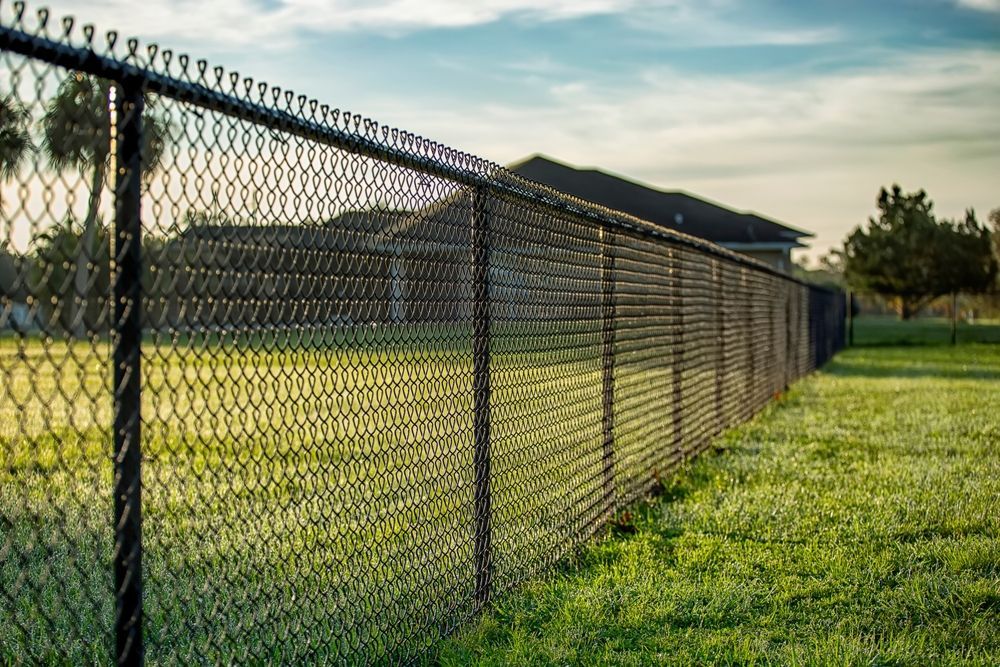
Smaller animals push through gaps that larger livestock ignore, which makes traditional rail or wire fencing ineffective for goat operations, sheep pastures, and poultry ranges. SteelTex Construction LLC installs netting fence systems designed to close those gaps without creating visual barriers or restricting airflow across grazing areas. The flexible nature of netting allows it to follow ground contours and accommodate uneven terrain that would require extensive grading with rigid fencing materials, and the mesh sizing prevents escape attempts while maintaining visibility across the property.
Installation involves tensioning the netting between posts so it remains taut without sagging or creating pockets where animals can push through, and the bottom edge is secured close enough to the ground to prevent digging or crawling under the fence line. Posts are spaced to support the netting without allowing excessive flex between supports, and corner assemblies distribute tension evenly to prevent pulling or tearing at stress points.
Request a detailed estimate based on pasture size and the type of animals you're containing.
Why Netting Fence Design Matters for Long-Term Performance
Netting material quality determines how well the fence withstands UV exposure, moisture, and repeated contact from animals testing the boundary. High-tensile woven wire netting resists stretching better than welded mesh, which can separate at joints when pulled, and treated coatings prevent rust formation in areas where irrigation or rainfall keeps the lower portion of the fence damp for extended periods. Proper installation includes securing the netting to line posts at multiple points rather than relying on a single attachment method that concentrates stress.
After installation, you'll notice animals stop congregating along fence lines looking for weak points, kids and lambs remain within designated pastures without constant supervision, and rotational grazing becomes simpler because the boundaries hold reliably when animals are moved between paddocks. The fence maintains consistent tension across slopes and dips without requiring frequent re-tightening, and gates integrated into the system open smoothly without catching on the netting.
Netting fence systems work best when combined with visible top rails or electric wire for animals that challenge boundaries by standing against the fence, and some predator-prone areas benefit from taller installations or buried bottom edges to prevent digging entry points. Vegetation management along the fence line prevents vines and brush from weighing down the netting and creating sag over time.
Answers to Frequent Service Questions
Farmers and ranchers new to netting fence systems often ask about material selection, installation methods, and how the fence performs in specific situations common to Central Texas operations.
What mesh size works best for different types of livestock?
Goats require smaller mesh openings than sheep because they test gaps more aggressively, and poultry netting uses even tighter spacing to prevent birds from pushing through or getting caught in the openings.
How does netting fence handle the rocky soil conditions around Meridian?
Posts are set using methods suited to shallow topsoil over limestone, including rock anchors or concrete footings where standard driving methods won't achieve sufficient depth, ensuring the fence remains stable even when animals lean or push against it.
When should netting be replaced instead of repaired?
Widespread rust, multiple torn sections, or loss of tension across large areas typically means replacement provides better value than patching, while isolated damage from fallen branches or vehicle contact can often be repaired by cutting out the damaged section and splicing in new material.
How is netting secured to prevent animals from pushing underneath?
The bottom edge is pinned to the ground with staples or buried several inches below the surface depending on soil type and whether digging animals are a concern, and this edge treatment is inspected periodically because erosion and ground movement can create gaps over time.
What makes netting fence more practical than solid panels for certain applications?
Netting allows wind to pass through without creating sail effect that stresses posts, costs less to install across large areas, and adapts to irregular terrain without requiring custom fabrication for every slope change or curve in the fence line.
SteelTex Construction LLC evaluates your property layout and animal management practices to recommend netting specifications and post spacing that match your operational needs. Contact the office to discuss installation options and receive a site-specific assessment.